
Waterproofing

When water and moisture seep through the cracks on your walls, it quickly deteriorates the foundation your home or commercial building is on. That’s why concrete waterproofing is essential primarily for the lowest levels, typically the basement. You don’t use the regular paint preserved for interior and exterior paint to get the job done, but rather a sealant made especially for concrete. For that, you will need a waterproofing specialist.
Concrete Waterproofing
The purpose of concrete waterproofing paints is to prevent mold, mildew, corrosion, and efflorescence when concrete gets exposed to the elements. If you already have this issue with your basement and foundation, you’re in immediate need of waterproofing services. The waterproofing paints are breathable to prevent the buildup of dampness and water pressure within the concrete. The waterproofing paint prevents damp walls and stops steam and humidity within a given room from penetrating the walls.

Below Grade Waterproofing
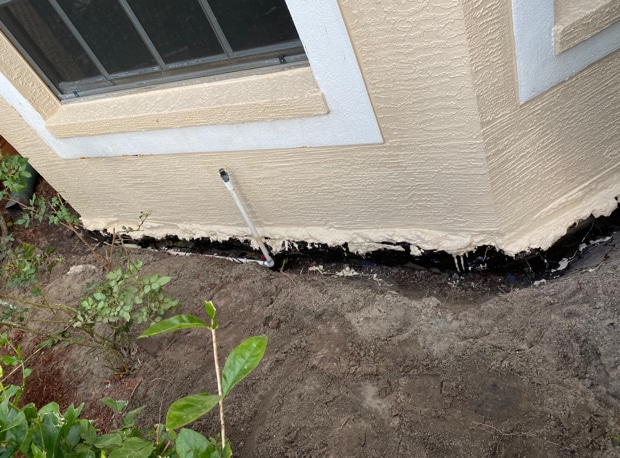
Below-grade waterproofing is different in that it refers to waterproofing applied below the ground level that comes into contact with the building itself. It, therefore, refers to waterproofing treatment done to prevent the passage of water to the structure when it is under hydrostatic pressure. For this, you will need a waterproofing specialist to perform a geotechnical assessment to determine what product works best since various soils, contaminants, and even chemicals can drastically impact waterproofing quality.
Various areas require below-grade waterproofing. It is applicable for foundation walls or slabs-on grade, decks on commercial buildings, rooftops, slumps, elevator pits, and many more. Based on your needs, we have residential waterproofing services, and for your business, there are commercial waterproofing contractors available to help.
Expansion Joints
The purpose of expansion joints is to hold building materials together while absorbing temperature-induced expansion and contraction, in this case, concrete. Expansion joints are found throughout the structure where parts meet, including walls, decks, floors, roofs, planters, green roofs, and the like. They offer many benefits but are essential for waterproofing to keep the elements from affecting the integral structure, especially when it comes to interior waterproofing.
